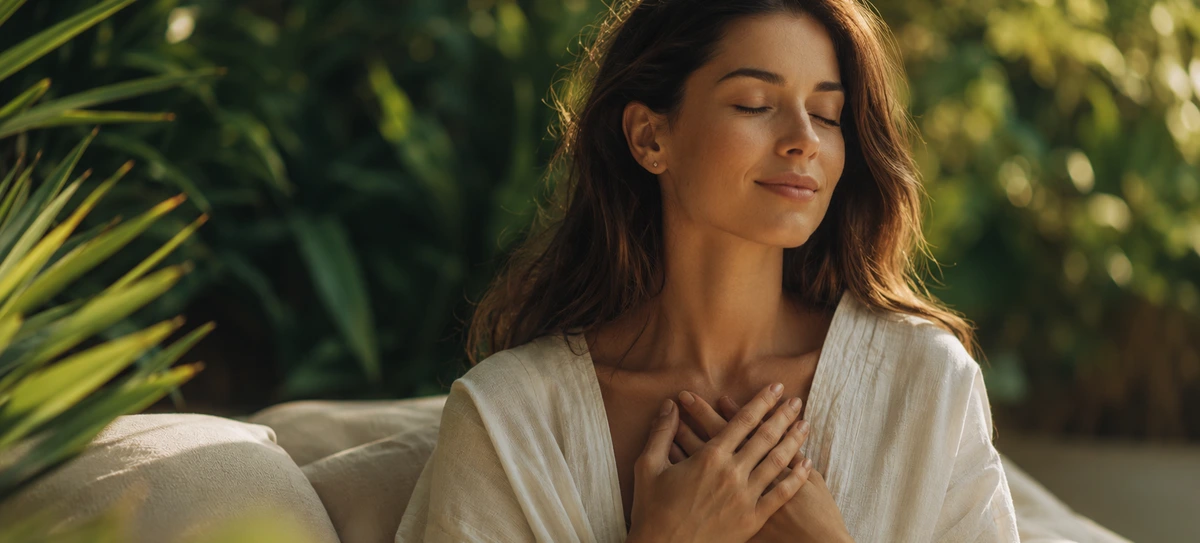
Breathing is one of the few bodily functions that happens automatically yet can also be controlled intentionally. Because of this unique quality, it serves as a direct bridge between the body and the mind. While we often overlook our breath during daily life, learning to breathe consciously can become one of the simplest and most effective tools for managing stress, improving focus, and supporting emotional well-being.
Unlike complicated wellness routines that require special equipment or significant amounts of time, breathing exercises can be practiced almost anywhere. Whether you’re preparing for an important meeting, trying to fall asleep, or recovering from a stressful day, a few minutes of intentional breathing can help restore a sense of calm.
If you’re interested in developing this habit, Breathing Your Way to Calm provides practical guidance for incorporating breathing techniques into your daily routine.
Why Breathing Affects Stress
When we experience stress, our breathing naturally changes.
Many people begin taking shorter, faster breaths that remain high in the chest. This breathing pattern activates the body’s sympathetic nervous system, commonly known as the “fight or flight” response.
While this response is useful during genuine emergencies, modern stressors like deadlines, traffic, or financial concerns often trigger the same physiological reaction unnecessarily.
Intentional slow breathing helps activate the parasympathetic nervous system, sometimes called the “rest and digest” system. This encourages the body to lower heart rate, reduce muscle tension, and return to a calmer state.
Learning Diaphragmatic Breathing
One of the most beneficial techniques is diaphragmatic breathing.
Instead of allowing your chest to rise dramatically, focus on expanding your abdomen as you inhale. This encourages fuller breaths that engage the diaphragm, the primary muscle responsible for breathing.
A simple exercise involves:
Inhaling slowly through your nose for four seconds.
Allowing your stomach to expand.
Exhaling gently through your mouth for six seconds.
Repeating the cycle for five minutes.
The longer exhale is especially helpful because it encourages relaxation throughout the nervous system.
Breathing During Stressful Moments
Breathing exercises don’t need to be reserved for meditation sessions.
In fact, they’re often most effective during ordinary moments of stress.
Before answering a difficult email, pause for several slow breaths. If you’re feeling overwhelmed during the workday, spend two minutes focusing entirely on your breathing before returning to your tasks.
These brief pauses interrupt automatic stress responses and allow clearer thinking to return.
Over time, your body begins responding more quickly to these calming signals.
Supporting Better Sleep
Breathing also plays an important role in preparing for sleep.
Many people struggle with racing thoughts after getting into bed. Rather than trying to force yourself to stop thinking, shifting your attention toward slow breathing provides the mind with a simple point of focus.
Combining breathing exercises with dim lighting and reduced screen exposure creates a stronger transition between daytime activity and nighttime rest.
The techniques discussed in Breathing Your Way to Calm pair especially well with evening routines designed to improve sleep quality.
Improving Focus and Concentration
Intentional breathing isn’t only useful for relaxation.
Many athletes, musicians, and professionals use breathing techniques before important performances because they improve concentration.
By slowing breathing and reducing unnecessary tension, the brain can allocate more attention toward the task at hand instead of reacting to anxiety.
Even one minute of focused breathing before beginning an important project can increase clarity and reduce distractions.
Building a Sustainable Habit
Like any skill, breathing exercises become more effective with consistent practice.
Rather than waiting until you’re highly stressed, try incorporating short breathing sessions into your daily routine. Morning, lunchtime, and bedtime are all excellent opportunities.
You might also connect breathing exercises to habits you already perform, such as brushing your teeth, making coffee, or taking work breaks.
This approach makes the practice easier to remember and more likely to become automatic.
Small Practice, Lasting Benefits
Conscious breathing is remarkably simple, but its effects can be profound.
It requires no expensive equipment, no perfect environment, and no advanced experience. All it asks is a few intentional minutes of your attention.
Over time, these small moments help train your nervous system to recover from stress more efficiently. You may notice improved emotional regulation, better sleep, greater focus, and an increased ability to remain calm during challenging situations.
If you’re looking for an accessible place to begin, Breathing Your Way to Calm offers practical exercises that make intentional breathing a sustainable part of everyday life.